
The Reason for Bridging Resilience
My story begins in foster care, where I landed as a five-month-old baby because my birth parents couldn’t care for me. When I was six, my foster mother, a single Black woman in her early sixties, became my adoptive mom, welcoming both me and my sister into her home for good. Growing up in a predominantly white neighborhood, often as the only Black student in my class, I struggled with the questions of identity and belonging.
My family comprised of five sisters and eight brothers, both biological and adopted, creating a blend of love and challenges. Going through the dynamics of open adoption in a family with siblings who were decades older than me shaped much of who I am today. But it wasn't until years later, when I traveled to Rwanda, the land of a thousand hills, that many of the questions and feelings I carried began to deepen and take shape.
I went with a church team to lead training on HIV and orphan care, while also conducting research for my dissertation. It was my first trip to the African continent, and I was both excited and nervous. I had been on many humanitarian and faith-based trips beforehand, but this felt different. I was the only Black person on the team of 20 women, and I wrestled with the common stereotypes of Africa as a place still waiting for the gospel, an impoverished land in need of saving. I wondered how our work would be received and whether we truly were helping or unintentionally harming.
Upon arriving, I was overwhelmed by Rwanda’s breathtaking beauty, the lush green hills, the towering mountains in the west, the sweeping savannas to the southeast, and the many sparkling lakes scattered throughout. But more than the landscape, it was the warmth and kindness of people that struck me deeply. For the first time, I didn't feel like a minority. Rwanda felt like the home I never knew I needed.
During the two weeks, we explored museums that preserved the memories of the 1994 genocide and the many survivor stories filled with unimaginable pain and resilience. I visited homes, churches, and several nonprofit organizations, learning about the work being done to heal a nation still carrying heavy scars. It was in this place that I began sharing my own story: my experiences with foster care and adoption.
As I spoke, I noticed many in the congregation weeping. At first, I was confused. Afterwards, I was continually asked the same questions: how can you stand here, smile, and share your story? Where does your joy come from, especially after what you've been through? While I appreciated their kind words, I didn’t understand why each person’s response was so similar until one evening, a Rwandan leader explained something that changed my perspective. He told me that 95,000 children became orphans after the genocide, many still carrying the trauma that has yet to be processed.
“So, we have a shared trauma connection?” I asked.
“Yes,” he replied. “They are processing their own stories and trying to heal. Many want the joy and peace you’ve sown.”
His words hit me hard. I realized that the joy and peace I appeared to carry were only on the surface. I had just begun to process my past, though I was brave enough to share my story publicly, I hadn’t yet confronted the depths of my pain. Rwanda’s stories of survival stirred my own, leading me to seek therapy specializing in adoption and foster care that would help me untangle the complexities of my story.
Bridging Resilience is born from that ongoing journey, a journey of identity, trauma, healing, and hope. It is for adoptees, former foster youth, and anyone who was in care and not raised by their biological family, who are seeking understanding. It’s for adoptive and foster parents and guardians and leaders craving insights, and anyone wanting to explore the resilience required to navigate adoption’s complexities.
By sharing my story and the way I have processed it throughout the years, I hope to open doors to empathy, dialogue, and ultimately healing. I will reveal moments that shaped my understanding, explore how the story impacted my identity, and reflect on the dynamics within my adoption. Together, we will navigate the intricacies of open adoption, relationships, and therapy. We will also examine the guiding role of faith and explore the intersection of adoption and cultural identity. Through it all, I pray you see your story and a clear path to healing, and for those reading to gain insight into caring for those adopted or foster youth that you love, I pray it will be a guide. I hope that as you read, you feel seen and understood. I want to walk with you, to remind you that healing is possible and that your story still has hope.
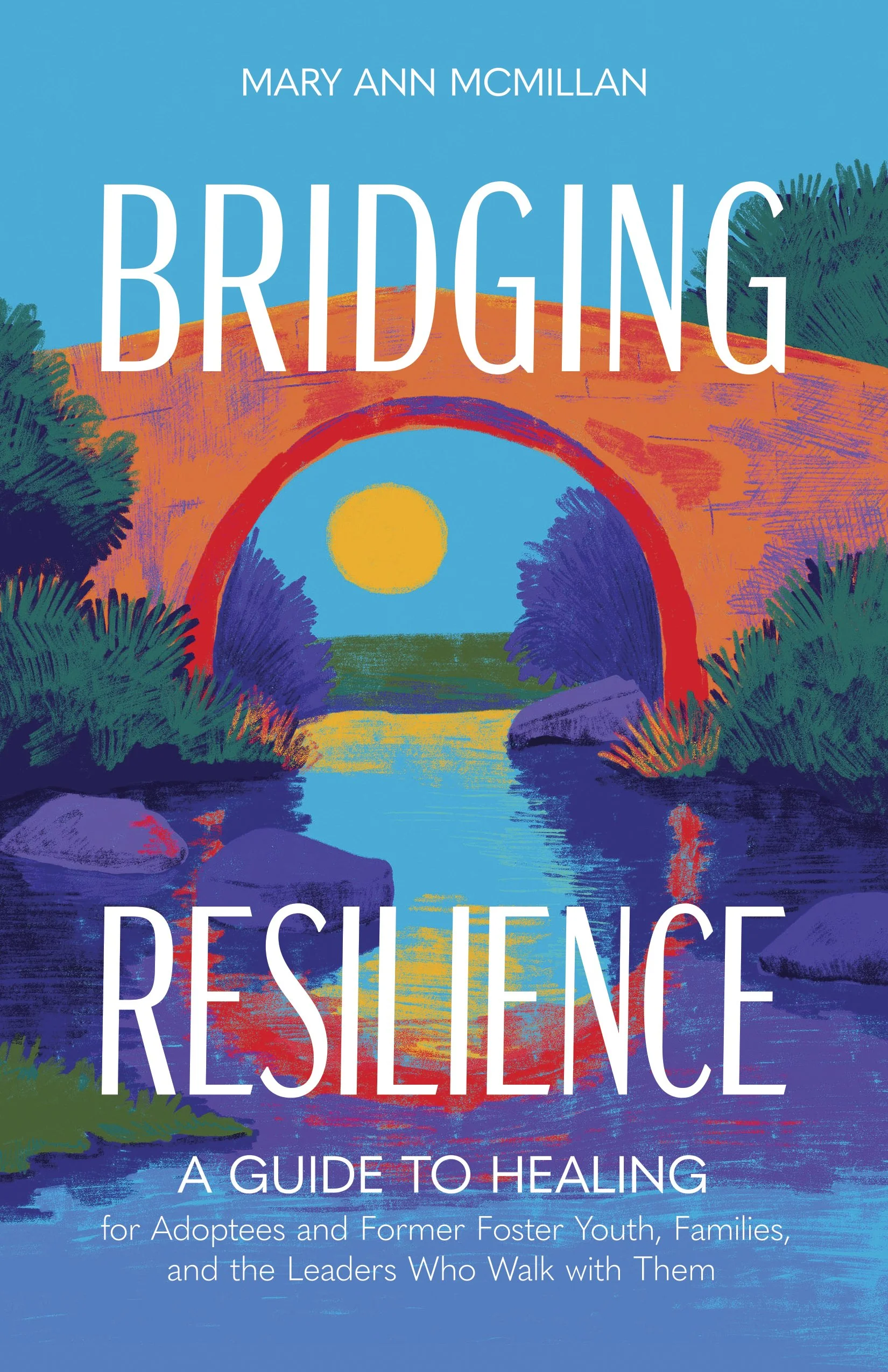
This book is titled Bridging Resilience because that is the work we are doing on every page, learning how to build bridges between who we were and who we are becoming, between what we’ve survived and what we still long to heal. It’s about the sacred labor of holding both loss and love, pain and possibility, rupture and repair. Resilience isn’t just the ability to endure. It’s the quiet strength it takes to tell the truth, seek healing, and reconnect with our own story. The word “bridging” also reflects the spaces we often stand in as adoptees and former foster youth between families, between cultures, between childhood confusion and adult clarity. This book spans those in-between places, giving language to what so many of us have carried alone.
Editor’s Note: This excerpt is from “Bridging Resilience: A Guide to Healing for Adoptees and Former Foster Youth, Families, and the Leaders Who Walk with Them,” released by B&H Publishing.