
The Embodied Word
The foundation for Christian life and mission stays the same in every era: Jesus Christ, the eternal Word of the Father, embodied in living human flesh. John unfolds this central mystery of the Christian faith in the elegant prologue to his gospel: “In the beginning was the Word, and the Word was with God, and the Word was God” (John 1:1). This one sentence links the Old Testament with the New.
What God started at the beginning of creation he continues in Jesus. By the sheer power of God’s word, all creation sprang into existence. His word was there from the start. In fact, so closely linked was God with his creative word, that this word actually was God the Son, existing eternally and present from the dawn of creation. But then millennia later, in the fullness of time, God sent forth his Son to be born in human flesh (Gal 4:4). In Jesus, the creative word who is God from all eternity took on human flesh to dwell on planet earth (John 1:14).
John the beloved disciple was among those privileged to walk and talk with Jesus, to touch him and listen to him, and to visually witness all that he said and did. “We have seen his glory,” John wrote, “glory as of the only Son of the Father, full of grace and truth” (John 1:14). What he heard and saw and touched concerning this embodied Word of life he proclaimed through his apostolic letter (1 John 1:1–3).
The Written Word
But John lived a long time ago and very far away. How can we today access what he heard, saw, and handled concerning Jesus, the embodied Word of the Father? We have that Word in writing. “We were with him on the holy mountain,” Peter wrote (2 Pet 1:18). The apostles wrote down what Jesus did and said, guided by the Holy Spirit. The Bible is not some collection of obscure ancient texts to be deconstructed and tweaked to fit current cultural trends and ideologies. Paul pointed Timothy to the Bible as a sure and certain foundation of truth and life in Jesus: “All Scripture is breathed out by God and profitable for teaching, for reproof, for correction, and for training in righteousness” (2 Tim 3:16).
The Inspired Word
The heart and center of the life of Christ’s church in the New Testament is the person and work of the Holy Spirit. That remains true for us today. The written word of God is the sword of the Spirit (Eph 6:17) and the sole source and norm of all Christian teaching. It is “breathed out by God” (2 Tim 3:16). The Bible is God’s inspired word—God-breathed by God’s own Spirit. The word of God gives the Spirit of God. Scripture is not merely truthful and accurate in all that it says but filled with the power and presence of the Holy Spirit to bring people to faith and keep them in the faith once delivered to the saints (Jude 1:3). Peter witnessed this firsthand as he evangelized Cornelius and his extended gentile household:
“While Peter was still saying these things, the Holy Spirit fell on all who heard the word” (Acts 10:44).
The Bible is not just a collection of human words about God, but God’s word in human language, as Peter himself declared: “For no prophecy was ever produced by the will of man, but men spoke from God as they were carried along by the Holy Spirit” (2 Pet 1:21). Although reason, experience, and tradition have a role in the life and mission of the church, they must be subordinate to the word. God’s word always takes priority.
The Bible is the written word of the living Word of God the Father. This word calls us to share it, to be people of mission. People in every cultural context—especially one as deeply inhumane as ours—need that word in order to live. The church must uphold the word in all its truth and splendor, proclaiming law and gospel to one and all. Our contemporaries are starving to death spiritually. The devil, world, and sinful flesh relentlessly threaten them with death and destruction. They desperately need the nutrients God provides in his holy word.
The Nourishing Word
Jesus famously fended off the devil’s first temptation in the wilderness with the bold assertion that the word of God provides essential nourishment by quoting from the Old Testament:
“Man does not live by bread alone, but man lives by every word that comes from the mouth of the Lord” (Deut 8:3).
Christ Jesus came down from heaven to bring life into the world. As the embodied Word of the living Father, he is not only alive himself but gives life to all who believe in him in this dying world. Everything Jesus did and taught pulses with divine life. “I am the living bread that came down from heaven,” he told his disciples. “If anyone eats of this bread, he will live forever. And the bread that I will give for the life of the world is my flesh” (John 6:51).
The Bible is not some spiritual charm or just another ancient text that needs reshaping to fit the moral and cultural climate of our time. The word of God is still alive and active.
It throbs with the vitality of Jesus himself, who is the Word of God embodied in human flesh. His words bring his divine life to our dying world in every age throughout history, including our own.
The Performative Word
Many view the primary life and work of the church in terms of education and promotion. Emotional worship events are designed to tug at the heart, while sermons assure people that God loves them and outline foundational biblical principles for Christian living. Has the church wittingly or unwittingly moved away from a culture of the word? Have we moved away from the apostles’ teaching and the fellowship, the breaking of bread, and prayers to something simply reflecting general secular culture?
To be sure, quality teaching remains critical, but faithful preaching is the heart of the matter. People need Jesus. And Jesus is present in his word (Matt 18:20). The word brings all of Jesus with all the gifts he earned by his life, death, and resurrection: forgiveness, life, and salvation for penitent sinners. God’s word speaks realities, not mere spiritual or emotional concepts. Worship, therefore, is far more than just an emotional high. It’s the experience of the life-giving presence of the living God among his people by the word proclaimed and the sacraments administered in Jesus’s name and stead. The word of God always does what it says; it frees people from spiritual bondage and enlivens them with the life that is in Christ Jesus. Can we trust it to do what it promises?
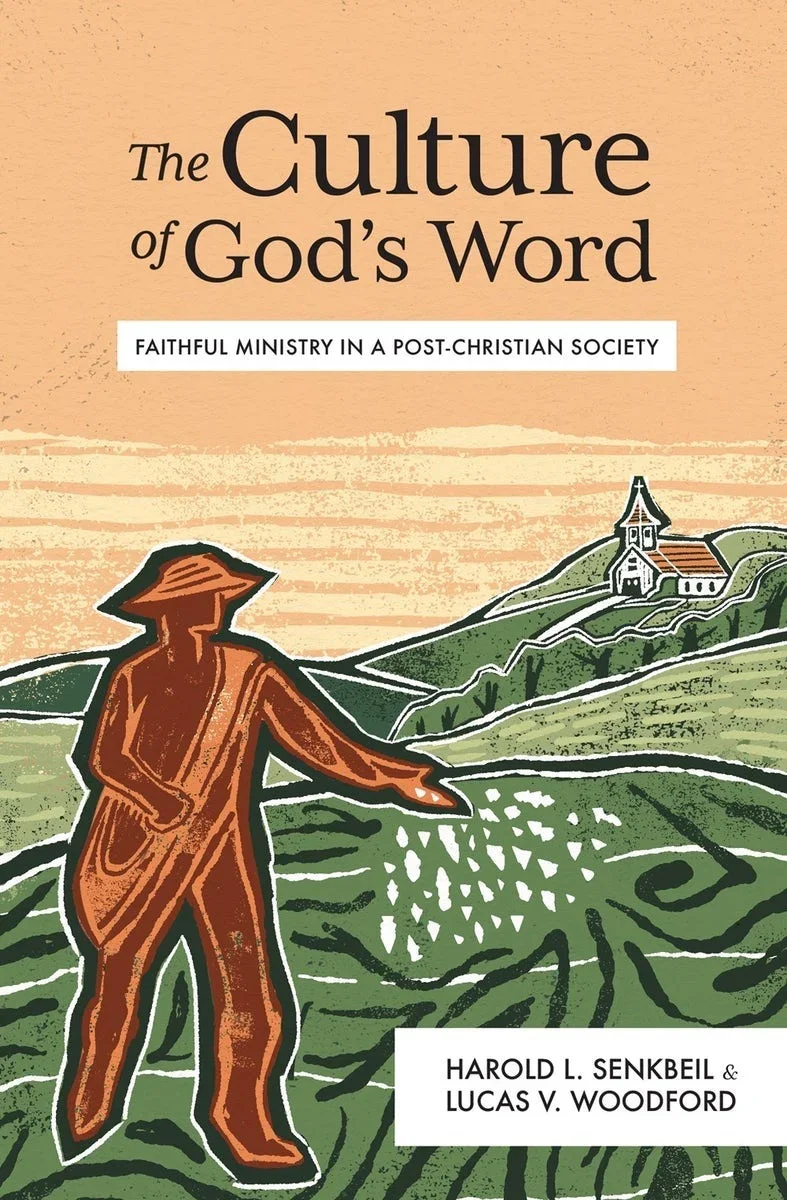
Content taken from The Culture of God's Word by Harold L. Senkbeil and Lucas V. Woodford ©2026. Used by permission of Baker Publishing Group.