
So Many Questions (And the Lies Beneath Them)
Questions about suffering as a Christian abound. We wonder: What does it look like to “suffer well”? Is suffering a good thing? If I’m depressed, am I sinning against God? Did I do something to cause my suffering? What is God trying to teach me? Am I anxious simply becauseI’m not fully trusting God? Is He ashamed that I’m struggling?
Trials also bring questions about God’s character to the surface of our heart. Is He good, even in my grief? Is He truly with me as I suffer? Many of us have wrestled with these exact questions. What if there are lies we believe under the surface of our questions?
Numerous lies contaminate our theology of suffering. These lies and half-truths are handed down to us via well-intentioned teaching from pastors, mentors, parents, and friends, all of whom probably received them from their own predecessors. Unbiblical ideas about suffering are passed around during Bible studies and small groups. Statements like “suffering is good” or “God is teaching you to be content” or “at least you don’t have cancer like so-and-so” fling from the lips of many Christians without even realizing the harm they may cause. After all, these ideas sound like they could be biblical. But they’re off just enough to cause harm without us being able to put a finger on why.
Yet lies can creep up from our very own hearts too. We don’t need to be coached into deceit. Many lies about suffering surface simply because, even as the redeemed, we still battle the flesh that seeks to lead us astray. Ever since Adam and Eve believed the serpent instead of their Creator, we too have this gnawing doubt inside us that asks, “Did God really say . . .?” Is God truly good when tragedy strikes? Does He really care about my mental health battle? Does He see me, hear me, or even care about me at all?
For some of us, these lies obscure our view of the character of God. Instead of drawing comfort from the truth that Jesus weeps with us in our suffering, we might believe He is aloof and uncaring. Maybe He’s appalled by our weakness and disappointed by our tears.
Scripture paints a far different portrait of the God who is “near to the brokenhearted” (Ps. 34:18). The problem is, sometimes our flesh and the people around us seem louder than God’s Word. If our pastor preaches a sermon on what it means to suffer well yet leaves little room for tears, weakness, and lament, we might strive to push our sorrow down and lean into self-sufficiency rather than Christ. If a fellow sister tells us that God won’t relent until we learn the lesson He is teaching us, we might spend more time searching for that lesson than seeking our Savior.
The untruths we believe not only deeply impact our relationship with God, but also that of the saints we know. One woman’s husband rarely helps with the kids and neglects her emotionally and physically. He’s embracing a multitude of sins, yet the only advice this wife receives is to put away bitterness and fight off resentment. Her potential sinful responses become the focus. She’s reminded to “win him without a word,” but her grief over her circumstances is deemed invalid—a sin problem to overcome rather than a wound to bind up. A young widow steps down from her ministry role in planning bridal showers. Instead of receiving understanding, she is met with reminders that she is called to “rejoice with those who rejoice” (Rom 12:15). I am rejoicing with them, she thinks; I just also miss my husband. We are quick to remind others to rejoice, but slow to weep with them.
Teaching and experience have taught many of us that our feelings are an enemy. We’ve learned the habit of pushing feelings down, hiding our grief, and painting our faces with faux happiness to look strong. Those who don’t are often trampled in their vulnerability. Instead of growing in the knowledge of our neediness before God and others, we’ve fastened ourselves into the boots of self-sufficiency. It’s time for a change. It’s time for freedom to weep.
You are likely familiar with the prosperity gospel that claims Jesus wants to give us health and wealth so long as we have enough faith. But what if I told you there’s another type of prosperity gospel that is creeping into churches? Let’s call it “emotional prosperity teaching” (for lack of a pithier term).
This teaching gives the impression that when suffering enters the lives of truly faithful Christians, they won’t experience times of despair. If we truly loved Jesus, we would be filled with such joy that trials like depression, anxiety, financial struggles, infertility, and chronic illness wouldn’t deeply affect us. This view of suffering is hidden between the lines of many of the statements we hear about suffering; it’s not always obvious.
It’s there every time a saint is judged for their tears or told to be grateful because others have it worse. You hear it in counseling sessions where depression is painted as a sin. You notice it after your single friend asks for prayer regarding loneliness and another woman promises, “Once you’re content, God will bring you a husband.” What about when someone is quick to brush off our pain with reminders to rejoice or trust God? Maybe a friend asks if there’s a potential sin that brought on your suffering. The emotional prosperity mindset is in the words of the family member who promises God will reward you with something better to make up for your loss. It is even there when suffering comes, and in our sorrow we ask, Do I not love God enough?
My heart longs to help Christians think biblically about the questions many of us face—the questions I have grappled with and the lies in which I once found myself entangled. There is a better way: the way of Christ. Jesus is the exact imprint of God’s nature (Heb. 1:3). If we want to know what the Father is like, we must look to His Son. Jesus will guide us in how we should respond to the trials and tragedies that will inevitably fall upon us. Through the life of the man of sorrows, we will find a portrait of what it means to persevere under suffering. We will see how He experienced weakness, grief, disappointment, distress, being downcast, and even being forsaken by the Father on our behalf.
The faithful One, our Good Shepherd, goes before us, walks beside us, and hems us in on our journey toward wisdom in suffering. You and I are free to weep because the Savior wept first.
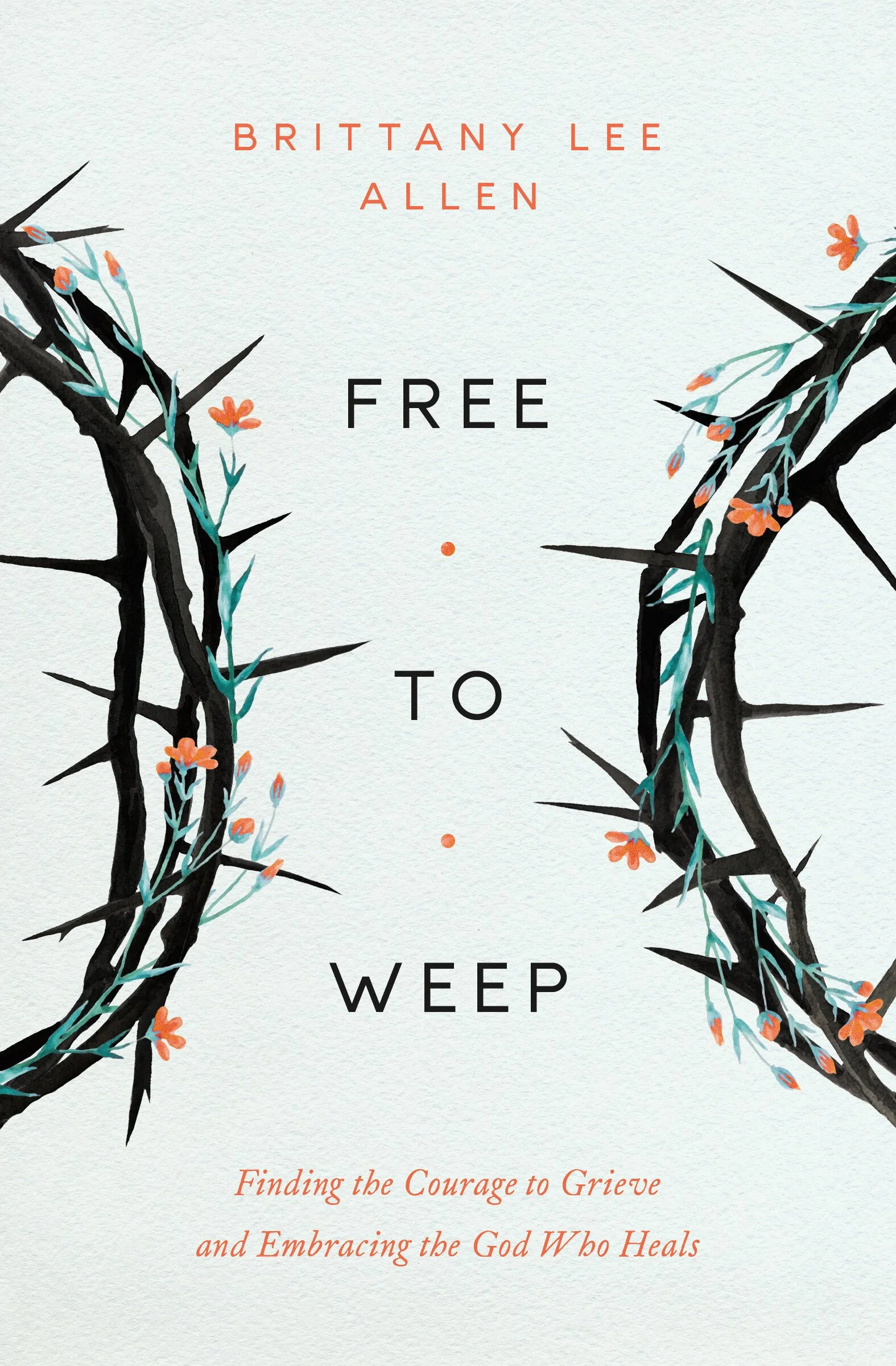
Adapted from Free to Weep: Finding the Courage to Grieve and Embracing the God Who Heals by Brittany Lee Allen. (©2026) Published by Moody Publishers. Used with permission.